
Single guy, explain yourself
How too much time on your own raises doubt. All this freedom should be fun.

In this issue:
Headliner Male, 45, very single 🤨
Revival A poem about kindness
Aftershow Roger Federer’s tearful exit, the complex legacy of Linford Christie, Rosie Lowe’s best album yet, Marvin Gaye’s rehab in Ostend
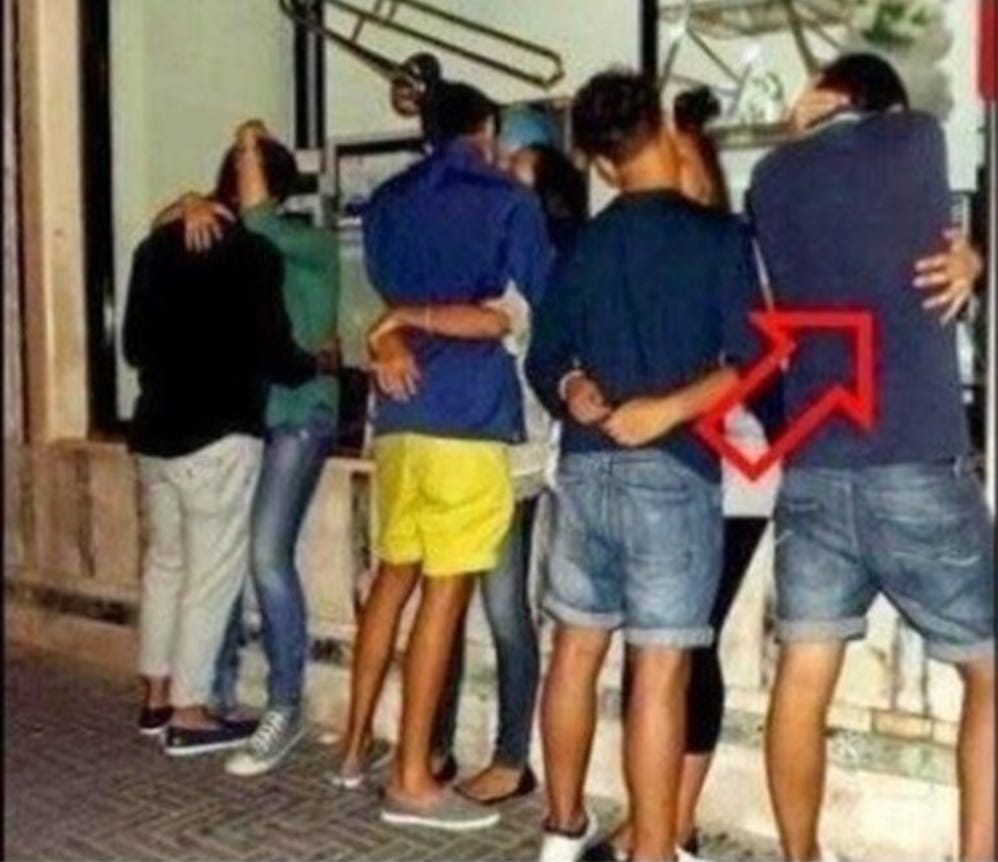
Part of being a writer – the compulsive, inquisitive itch of it all – is trying to figure out complex feelings. It’s an agonising vocation for many of us. Last month, an awkward moment attached itself to me like a prickly burdock burr on a wooly cardigan. I like cardigans, even if they’re itchy. It’s a grunge thing. Anyway … I was tongue-tied, which is rare. I couldn’t shake the memory; not being able to find the language bothered me.
It was during my short break in Mallorca, which you may have read about. Fresh off another wedding dancefloor, each more couple-y than the last, I headed south to stay with my cousin for a few days. While having a birthday lunch, and a heart-to-heart, the inevitable topic of dating came up.
Now the reasons for my prolonged singledom are manifold. There are fewer nights out (friends have children to raise and bills to pay). Not being proactive and alert enough at social gatherings. The vibe killer that is dating apps – replete with voyeurs, imposters, ghosts, mild racial profiling and exhaustive lists of demands that are almost impossible to meet. It’s like, why are you even here?
My cousin, though several years younger and in a new-ish relationship after a difficult break-up, was a useful sounding board. Compassionate and alive to some of the challenges of modern romance. There’s a heavy sense of exhaustion out there. Can you feel it?
A stark disconnection between the sexes. I’ve seen so many anecdotes about women being let down by men, or worse, and men feeling written off by women, which breeds either insecurity or animosity. There’s a quickness to generalise and criticise and an unwillingness to compromise on both sides. Too much expectation, too little patience. The net result is an impasse. Lots of singles think they are better off alone.
I’m not one of them.
It was the first time we had hours to talk openly about things like this. She was very complimentary and uttered what several of us lone wolves have heard in some shape or form.
“How can you be single?”
“You’re a catch.”
If I could blush, this brown boy would have. I will take a compliment from anyone. She wasn’t single-shaming me. My confidence level fluctuates depending on how sociable I’ve been, whether work is going well (it is not), and to what extent grief and other vampires are kept in their coffins. I hinted that this malaise was down to something deeper than a lack of opportunities or bad luck, which puzzled her.
In the weeks that followed, as I unpicked that moment, I began to press beyond male pride and realise that I had let my unique status among friends and family as the single 40-something raise the spectre of inadequacy or deficiency in my mind. I was shaming myself. Or as some people like to ask themselves, “What’s wrong with me?”
Rather than attribute my relationship status to a mixture of widespread dating disillusionment, pickiness, bad timing, a chaotic universe – hell, maybe just laugh it off as one of life’s great mysteries 😁 – I took the fast-track to fault finding.
What fault, you might ask? A realisation that I might not feel stable enough, mature enough, accommodating enough, enough to be the kind of partner that so many women are calling for. This article about the importance of being single offers a sobering thought.
“It turns out that our willingness to stay on our own is what centrally predicts how likely we’ll be to find and bring to fruition a relationship with someone else.”
The last time around was a long time ago and I haven’t been able to advance much further in the role. To what extent have I not allowed myself to? Meanwhile, time plays its tricks. It gives me a minute and takes two when I’m not looking.
This topic is unfamiliar territory. A rare and unsettling foray into heartache. Is that too strong a word? F*ck it. Dramatic licence. I usually offer “deep and meaningful takes on arts and culture™️” so this meets the brief halfway at best. (If it isn’t what you signed up for, scroll down where normal service will resume.) But I would rather get into a difficult subject than swerve it out of fear of criticism or judgment. Otherwise, what are we doing here?
It was reading two brave and generous essays that inspired me to examine these thoughts. They were like beacons, lighting the way.
, who I discovered through Notes, has written with novelistic acuity and aching honesty about longing for a boyfriend. Passages like this might awake the amorous dreamer in you.“Love visits me often; it brushes and tickles me, casting shadows on the side of the pavement where I keep standing all alone looking for a sign; but it never waits at my doorstep. It sings to me beautifully, but I can never locate where the sound is coming from. It’s tiring. Through all of this, I keep thinking next turn might be mine. Reach for it, sleep on it, wait for it. But the turn is somehow never truly mine.”
Although I can’t relate to always being the one before the one, hearing “the sound of train brakes on rusty steel tracks” – the one after the one, maybe – this vision is familiar.
“… but I’m a tall child on a playground everybody else has outgrown, and I’m having trouble not taking it to heart.”
Gentlemen can pine for companionship too, you know. And give themselves a hard time when it eludes them. It’s just that we are so good at suppressing negative feelings, distracting ourselves with material pleasures and vices. Or we convince ourselves that we can stand up to anything, not harnessing community to the same extent as circles of women. To unpack this vulnerability in conversation is to make it a bigger issue than it needs to be.
My Substack bestie
captured the exhaustion of going solo, at home and away, so well in her tale about a jolting car hire incident in Italy. Well, that was just the start of it. Her letter unspooled to consider more draining experiences like having to bear the emotional whack of fertility treatment alone. And the limits of empathy among coupled friends whose lives we strain to slip into.“What I am talking about, what makes me angry and frustrated to my core is the unrelenting solitude in the highs and lows, the decision fatigue that comes with a life of singledom and the lack of someone to report back your experiences when these events happen. Really, what I hate most is that those in relationships don’t appear to see this part of the single struggle.”
So what now? I didn’t envision this as one of those instructive personal essays, with some grand upward arc that crescendoes in wisdom. I haven’t been in the field enough lately to take that on or witnessed enough palpable interest and availability to dive in and emerge with practical advice.
What we can do as single folk is remember who we are. Point one, just in terms of our daily existence. Time alone dims our light, shrinks our self-belief. As
asked in a recent interview, “What are we if not a collection of the things we love?”That’s such an enticing proposition, to which I would add the places I have been and the bonds I’ve formed. Eternal wanderer and wonderer ☝🏾 But I do need to rediscover my mojo as a solo traveller. I’ve done a lot, which cultivated a spirit of independence … until it didn’t.
My epiphany came on a boat ride over the Bosphorus, a few months after my brother passed suddenly in 2019. It was like all my weariness fell from the sky there and then. It wasn’t just the absence of someone to lighten the load. The pleasure in new experiences is magnified when it’s shared.
But back to the things I/we love. How will anyone get to know any of this, feel the awe as our eyes widen, see us somewhere near our best, if we are skulking on the sidelines or worse, stuck at home on the internet?
I’m going to let my passions and interests lead me to new encounters, whether that’s more volunteering, martial arts, cooking classes or getting a dog to sniff out adventure with. I took part in a five-a-side fundraiser for a new local music venue last weekend, my first kickabout in six years, and finished the night with a kiss. On a Sunday! Unheard of. So anything can happen. I can make it happen.
There will always be fleeting moments in pubs, gigs, dancefloors … I hope. A chance to catch an eye, if enough of us are still looking up. But the joy in getting to know someone over time, that’s the good stuff.
I have been thinking about the importance of clubs recently. They help to boost social cohesion and reduce loneliness, which is to say they help us make new friends. Who knows, maybe something more.
If this has triggered any thoughts, stories or memories, please drop them in the comments. I’m interested.
A poem about kindness
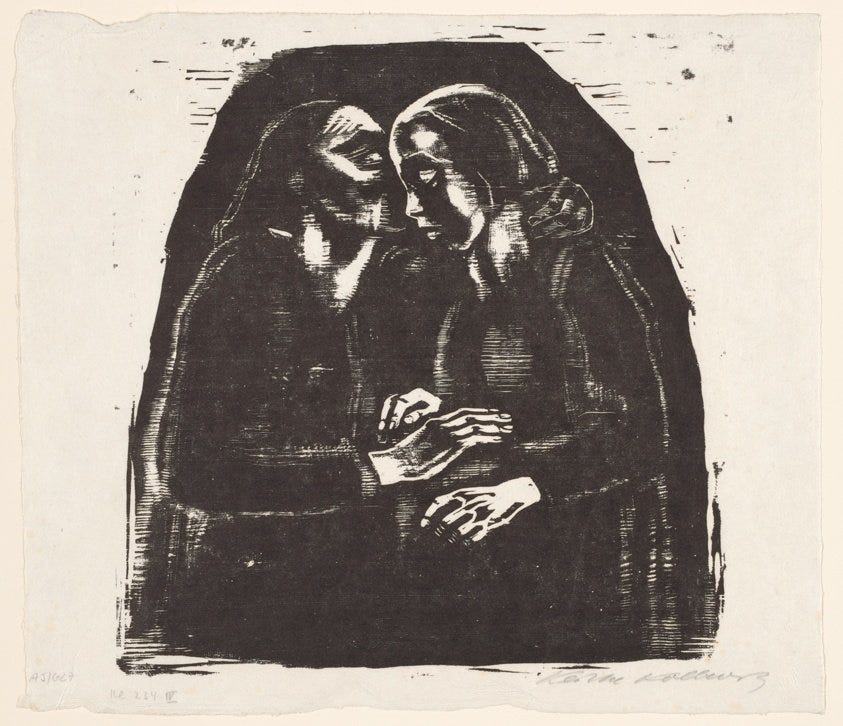
The piece above got me thinking about kindness. Many of us are harsh on ourselves in troubled times, which tends to have a knock-on effect in our interactions with others. Frustration and anger are contagious like that.
Last year I entered a competition run by Candlestick Press, who have produced several gorgeous poetry anthologies since 2008. Pamphlets designed to be gifted, carried around and cherished for years to come. For always-emerging writers like myself, their themed callouts are great opportunities to gain experience and build confidence.
One of the most recent ones was “kindness”. Although my entry wasn’t selected, I was pleased by how I worked with the constraints of the competition – no more than 16 lines of 10 words at most – while injecting a spritely rhythm along the way. It’s my hop, skip and jump of an appeal to the world. Pass it on…
You can buy the collection here.
DON’T TAKE MY KINDNESS FOR WEAKNESS (HE SAID)
Or I’ll close up and turn away, all ruthless instead
Ever watched frowns become smiles, light piercing the shutter
Give thought to another, you’ll make their heart flutter
It matters, you know, doing something for nothing
What you can, when you can, forget who’s deserving
Make the tea or coffee, do someone a favour
Hold the door open, flatter a stranger … I dare ya
Offer a smile for no reason
Bring in the season of less getting even
It’s like living by giving till the giving is receiving
Start a chain reaction – ka-boom! – seeing is believing
Kindness is the currency that never loses its value
Can’t afford to spend it? You can’t afford not to!
This gift is best shared right out of the blue
See good in others? Now there’s good in you too
Remembering Marvin Gaye

My best mate wants to do a road trip to Ostend and I'm like, sure, I'll walk in the footsteps of the great Prince of Soul. Follow his flaneuring, overcoated spirit down alleyways and prop up a bar or two where he would have a Leffe, throw darts (badly) and mix with locals who thought he was from Paraguay.
In 1981, Marvin Gaye sought refuge in the seaside town at the invitation of concert promoter Freddy Cousaert. He was strung out on the white stuff, millions in debt and at the bitter end of a second marriage. Marvin lived with Freddie and his wife Liliane, who cooked his favourites Dover Sole and fried chicken.
He slowly got back on his feet, jogging along the beach, boxing and enjoying relative anonymity in spots such as The Taverne Florida and The Groove (now Lafayette). He seemed a little more at peace with himself, just living day to day, though being separated from his family was harrowing and he was still torn between the sacred and sensual. So often the source of that primal tension in his music.
It was in Ostend that he wrote 'Sexual Healing' along with several other songs from Midnight Love. (Did you know there are another 66 demos, discovered this year on archived tapes? 😲) Ostend is also where he gave that triumphant comeback concert at the casino.
One mythical clip from this period that has been passed around for years is Marvin rehearsing 'I Want You' with a super-switched-on band including Deon Estus on bass and Gordon Banks on guitar. I adore that song. It's beyond ecstatic. An eruption of desire. The way they are all locked into the groove while Marvin is in his tracksuit singin’ on the sofa is just iconic.
But there are other wonderful performances in Richard Olivier's hard-to-find documentary Remembering Marvin Gaye including a stunning Lord's Prayer and this Let’s Get It On medley. Hear him go from 'Come Get To This' to 'Distant Lover' as he clowns around for the camera. Marvin could deal with piano, but if you've heard the Trouble Man soundtrack, you already know that.
He’s one of the artists who has captivated/fascinated me the most in life. I remember reading David Ritz's biography Divided Soul at 19, which led me to Hear My Dear after What’s Going On. Lift off.
Federer: Twelve Final Days
Linford

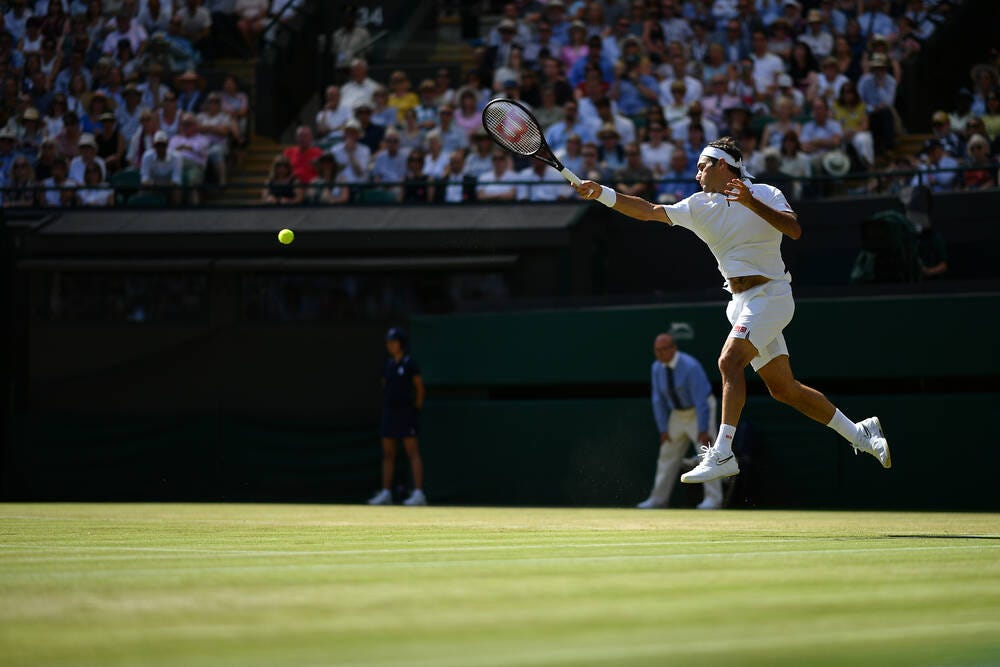
It’s been a good month for sports documentaries. The other night I was looking for something easy to chomp dinner in front of and landed on Federer: Twelve Final Days. As the name suggests we get to accompany perhaps the greatest ever tennis player as he reluctantly calls time on his glittering career at the Laver Cup in London.
Djokovic and Nadal may have more Grand Slam titles (Serena Williams and Margaret Court too) but as an admirer of graceful strokemaking, balletic footwork and ingenuity on court, there has only ever been one player for me. And you’re reading someone who was infatuated by Boris ‘Boom Boom’ Becker and his all-action game as a kid.
I was expecting a formality of a production, the kind of film that is made to fulfill a contractual obligation, but it was surprisingly moving. Directed by Asif Kapadia (Diego Maradona, Senna, Amy) and Joe Sabia, it got me thinking about the passage of time, aging, how sporting achievements are indelible markers in life. For them and us.
Seeing the culmination of a respectful rivalry between Rafa and Roger, who join forces in the final doubles match, may bring you to tears. Or the usually cool Swiss caving in at the realisation that this is it.
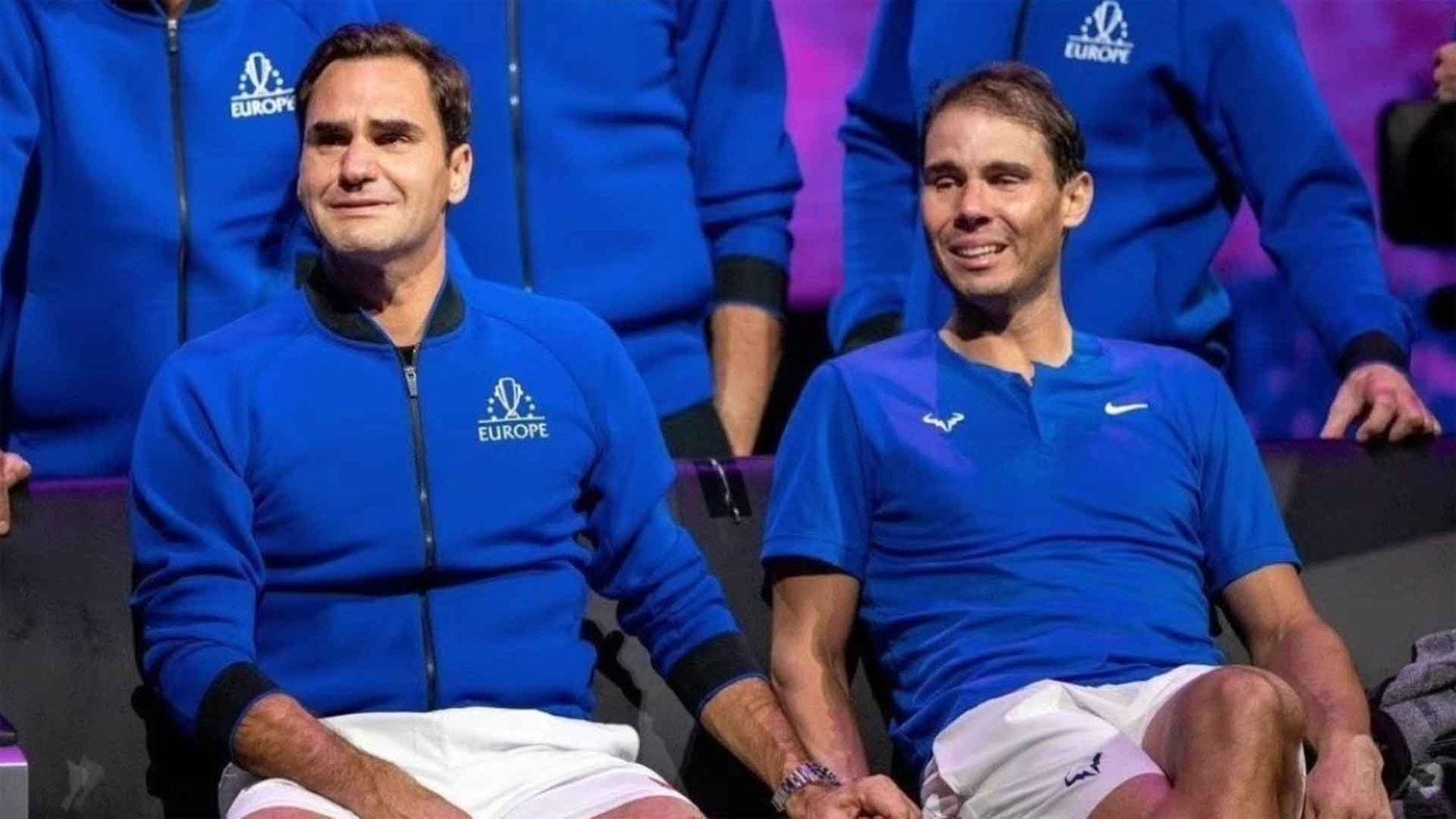
Many sports stars have struggled with depression after retirement or as they feel their powers waning: Dame Kelly Holmes, Michael Phelps, Serena Williams, Paul Gascoigne. So intertwined is their sense of self with top-flight competition, the thrill of the arena and the all-consuming nature of training.
There is this misapprehension about Federer. That his tennis was effortless. That his machine, if we can call it that, is so efficient that it could not falter, to borrow the words of champion-making coach Nick Bollettieri from our interview in 2009.
It may have looked that way as he imperiously glided and strode around court but the guy played over 1,000 matches in a high-stress sport that is so unforgiving on the body. In the end, his knees gave out on him. His achievements will not.
Another hero back on screen is Linford Christie. I idolised him, especially as a chubby kid with no pace. There was something of the underdog about the Jamaican-born sprinter who felt as British as the Queen. The fact that he got a late start in the sport, only taking it seriously at 19 after an ultimatum from Thames Valley Harriers coach Ron Roddan. That he was coming up at the time of Carl Lewis, Ben Johnson & co. Historically, Team GB was not in the race. Christie always had something to prove.
His ascent was gradual, winning 100m gold at the 1986 European Championships, silver in that infamous 100m final at the 1988 Olympics (the first European sprinter to break the 10-second barrier), then a bronze at the 1987 World Championships in Rome.
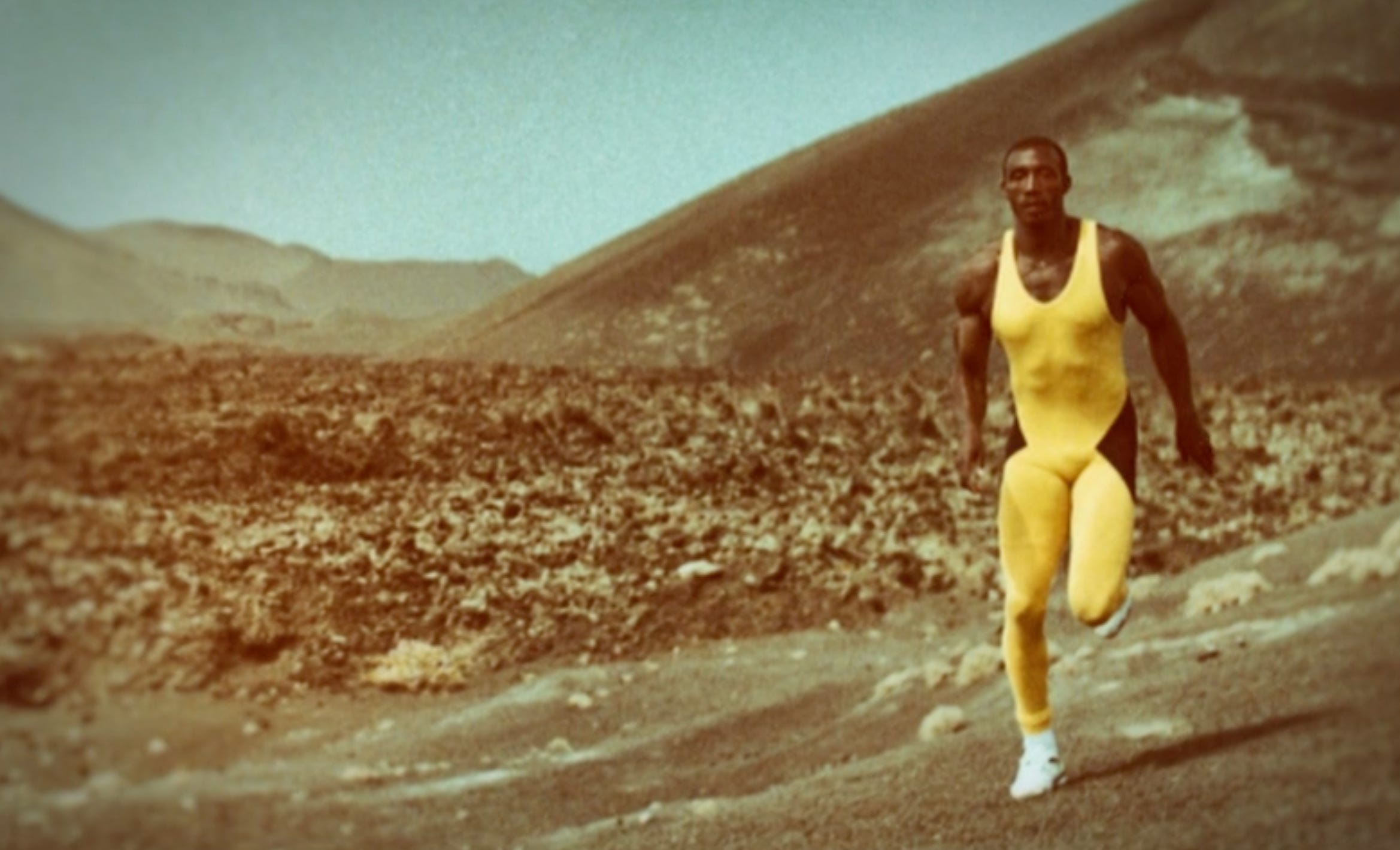
I still remember being glued to the TV as he closed his eyes, engaged tunnel vision, then powered through to gold in Barcelona. Back then, I fancied myself as a portrait artist and drew a picture based on a photo like this.
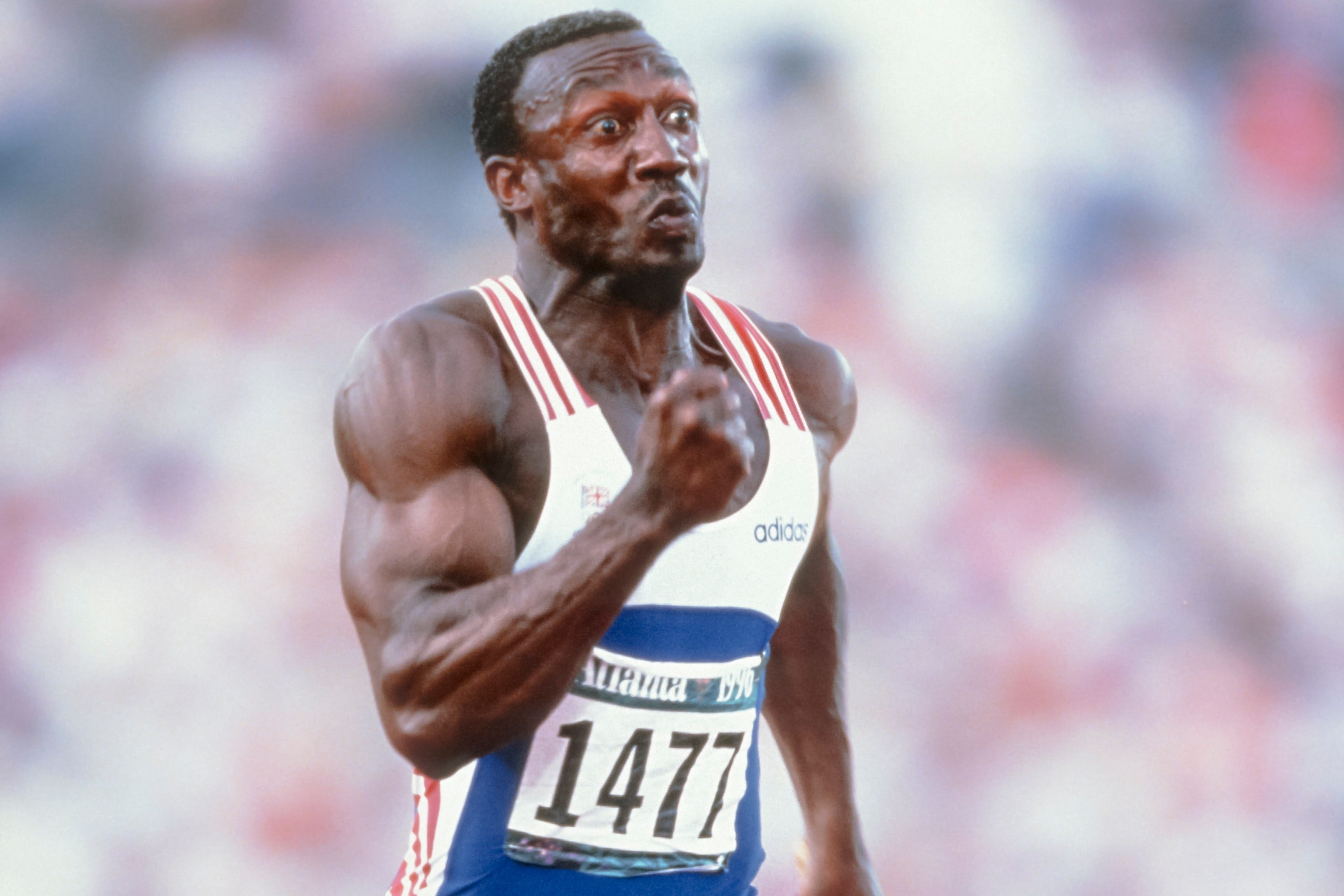
The 13-year-old me says I got that stare just right.
The following year, I counted down the minutes to the World Championships final in Stuttgart while helping my parents in the garden. He crossed the line first in 9.87s and unholstered those gun fingers, at 33 becoming the first 100m runner to simultaneously hold all four major titles.
What I didn’t know was the extent to which two doping charges had overshadowed his achievements and soured them in his own mind. There was the positive test for pseudoephedrine in Seoul, of course, where the International Olympic Committee gave him the “benefit of the doubt” after he claimed that ingesting ginseng was the reason. An unwitting oversight. That was after the 200m final. According to the LA Times, his test after the 100m final was clear.
In 1999, he came out of retirement to run in an indoor meeting in Dortmund and tested positive for nandrolone – a banned substance that the sports pages were in a froth over at the time. It was a one-off, nothing race. UK Athletics cleared him. The International Amateur Athletics Federation (IAAF) made an example of him. To this day, Christie does not know how it got into his system and questions the process.
Regardless, the impact was devastating. He was banned for two years, dropped by the BBC as a pundit and was unable to coach athletes including Darren Campbell and Katherine Merry at the Sydney Olympics in 2000. He tells us he didn’t earn a penny for two years.
When London hosted the 2012 Olympics, Christie was excluded from a shortlist for the champions’ torch relay. And can you believe this: he has a lifetime ban from the Olympics so work alongside the athletes he trains when they need him most.
As Andy Bull wrote in the Guardian, “Christie passed more than 100 in-competition drugs tests during his career, and failed two. And those are the two that people judge and remember him by.”
In the film, UK Athletics anti-doping panelist Professor Ron Maughan says that even though the levels of nandrolone in Christie’s sample were high enough to trigger a positive test, “they would have absolutely no physiological effect”. That’s why the panel cleared him: its role was "to prove guilt beyond reasonable doubt".
And let’s not forget that even the sanctimonious legend Carl Lewis failed three tests during the 1988 US Olympics trials. Inadvertent or not, he failed them and successfully appealed. Under Olympic rules, he should have been banned.
Only these athletes know what they did and did not take for a particular purpose. If they don’t, like Christie in 1999, it’s negligence at the most. He comes across as someone who worked and willed his way to success but perhaps my heart is ruling my head.
I came away from the documentary angered that Christie felt disrespected and underappreciated as someone who took great pride in representing Great Britain. Yet there he was being scolded by a UK official for draping himself in the Union Jack on the podium in 1986. Being accused by the police of driving a stolen car, a gift from sponsors, on the eve of the 1988 Olympics.
Having a national paper demean him with that Linford’s Lunchbox feature the day after his victory in Barcelona. A tagline that plagued him for years and had women thinking they could just grope him. Banter often masks something more sinister. The tropes are obvious.
Refusing to be in on the joke antagonised certain factions of the press and he became a target, particularly as a vocal critic of doping. There were clashes over the years and I assume he played his part. But I watched a lot of interviews and he rarely came across as an asshole.
Put it this way. Christie could smile for the cameras but wasn’t anywhere near as accommodating a crowdpleaser as Usain Bolt.
He deserves another hearing.
Rosie Lowe – Lover, Other
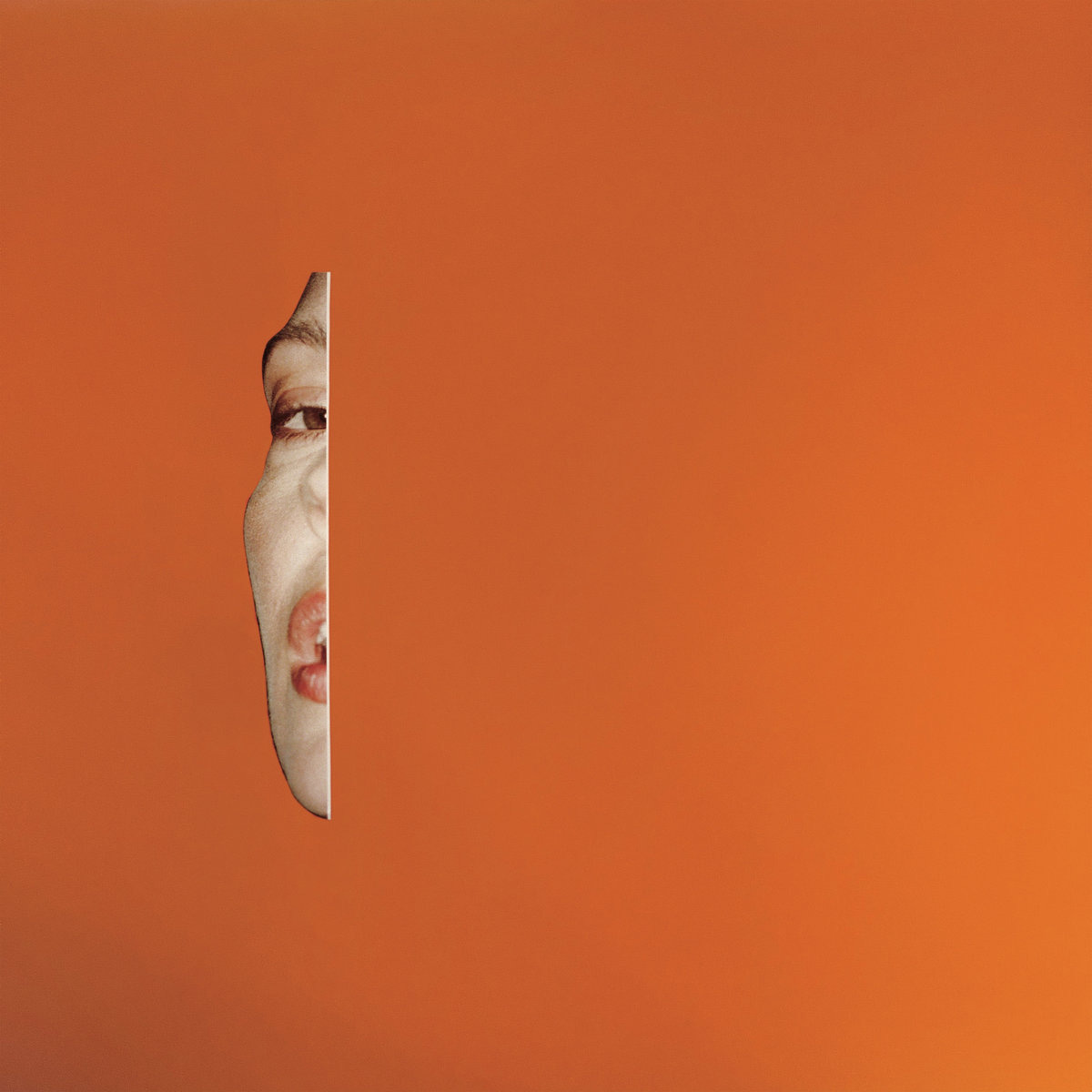
Rosie’s been on my radar for a good decade, beginning with the resounding ‘Right Thing’ and ‘Me & My Ghost’. For a brief introduction, check out this beautiful short film about the making of her debut album Control in 2016.
I often return to later favourites ‘Paris, Texas’ and ‘Worry Bout Us’ in twilight hours – this music’s natural habitat. What’s put her in the vanguard of British independent artists is her very textured approach to songwriting, manipulating sparse instrumentation to create these worlds that envelope you.
The timbre of her voice alone is unmistakable, as is that ruminative intonation. How some words drip and run like honey, while others crawl over you, and the way she builds intimacy through those gossamered layers of harmonies. It’s taut yet limbre soul, amorphous, with ample room for listeners to find their own meaning in its expanse and subtlety.
Lover, Other was recorded using a mini-studio in a suitcase that she took to Catalonia, Berlin, Florence and back to Deptford just down the road from me. It’s Rosie at her most instinctive and spontaneous. “This chapter was about finding ways to free myself from the clutches of an idea of a perfect vocal – a perfect song,” she told Clash. “I’ve struggled with meticulousness in the past, and I don’t think that’s necessarily conducive with creative freedom.”
The fact that the tick-tock yearning in ‘Mood To Make Love’ can co-exist with the electro pulse of ‘Something’, next to the nod-along knock of ‘In My Head’ and the bossa radiance of ‘Gratitudes’ is a joy to experience.
The tundral striations of ‘Don’t Go’ are reminiscent of that stunning collaboration with Duval Timothy. ‘In The Morning’ is one of the best uses of a sample in years (Makoto Matsushita), and how it gently gives way to her voice is like the gates of heaven opening.
So many of life’s emotions are in here, it feels. The light and dark and everything in between. Flickers, phases, vibrations that coalesce and transition. Rosie calls this a late summer evening album but I’ll be playing this all day. I did while writing this edition.
She returns to the stage at the ICA on 26 September. Tickets are sold out but join the waiting list and keep your fingers crossed.
What a beautiful newsletter, Amar. Being single is one of those tender parts of my life, so tender and full of fragile and real feelings, so close to my little heart, I rarely write about it. It’s easier to write about things I’ve overcome, with a big arc into some sort of wisdom or life lesson. But my love life… this feeling that it’s not for me… that I don’t get to have the sweetness of a life partner. And the self-naming voice who believes I wasted my only chance by getting a divorce. My mother’s voice asking “other women got remarried straight away, why not you?”. There’s so much there.
Reading your essay, it felt like you were the voice (one of others, thanks for sharing the excepts from the other writers) that I can’t seem to find within myself just yet. You and those excerpt gave a voice to something I’m too ashamed, scared, sad to express.
Thank you. 😊
Substack bestie 🥹 (thank you so much for the shout out)
This is a really beautiful post. Poignant, passionate, personal. I adore that poem about kindness. It really is the currency that never loses its value ❤️